
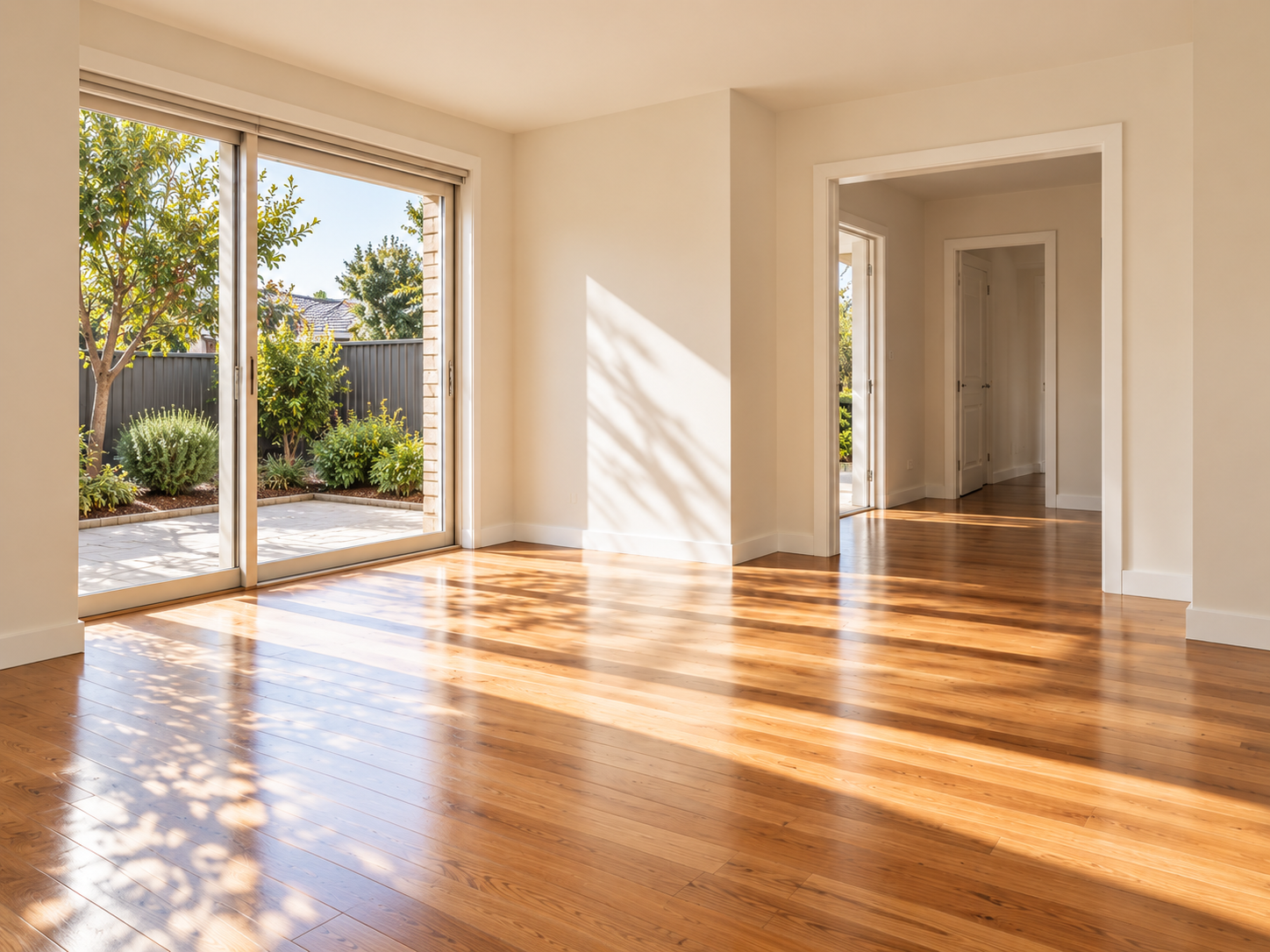
The cost of an empty rental: Is holding out for more rent worth it?
“Let’s try a higher rent first. We can always drop it later.” This is a line we hear often from landlords.
It sounds reasonable, but those weeks spent testing the rental market can come at a cost. Yes, you can always lower the asking rent, but you can’t get back the income lost while your property sat empty.
For landlords, the rent you actually receive is what matters. Advertising above market value can be a false economy if it delays finding a suitable tenant without achieving a higher return.
Your expenses don’t stop
While your property is vacant, rental income stops, but loan repayments, council rates, insurance and maintenance costs continue.
Every extra week without a tenant affects your cash flow. That’s why setting a realistic asking rent from the start is important.
What does holding out for more actually cost?
Let’s say your property’s market rent is $650 per week. Advertised at that price, it attracts a suitable tenant who moves in after one week, meaning $650 in rent is lost during the vacancy.
But you decide to try $680 per week first, knowing you can always lower it later. Two weeks pass without a tenant, then three, perhaps even four. Eventually, you reduce the rent to the market value of $650 to secure a tenant.
Here’s how much rental income is missed while holding out for the higher price:
|
Weeks vacant while |
Rent lost during vacancy |
|
2 weeks |
$1,300 |
|
3 weeks |
$1,950 |
|
4 weeks |
$2,600 |
Rent lost is calculated at the achievable market rent of $650 per week. This example assumes the tenant moves in immediately after the price reduction. Any further vacancy adds to the cost.
After four weeks vacant, you have missed $2,600 in potential rental income and still end up receiving $650 per week. Compared with leasing after one week at market value, that’s an additional $1,950 lost.
A higher asking rent can mean fewer applications
Potential tenants compare properties on location, condition, features and price. If yours is asking more than similar homes in the area, prospective tenants may choose to inspect elsewhere.
You may also miss people searching within a set budget. Someone whose maximum search price is $650 may never see a property listed at $680. You could miss out on a suitable tenant who would have stayed for years.
Correctly priced properties are generally better placed to attract interest and secure a tenant sooner, helping keep vacancy periods shorter. Presentation, marketing and local demand also influence the result.
Asking above market rent can lead to fewer enquiries, fewer people at inspections and fewer applications, leaving you with a smaller pool of suitable tenants to choose from.
This doesn’t automatically mean applicants will be lower quality. The concern is reduced choice and growing pressure to accept an application simply to end the vacancy. Careful tenant selection remains important, regardless of how long the property has been advertised.
Is there any benefit to asking for more?
A higher asking rent may be justified when recent comparable lettings, improvements or particular features support it. If the evidence points to a higher market value, that should be reflected in the price.
However, asking more simply to “see how it goes” carries a risk. You may face a longer vacancy, fewer applications and lost income before reducing the rent to what tenants were willing to pay all along.
Pricing correctly doesn’t mean underpricing your property. It means setting a realistic rent that reflects its location, condition and features, supported by what similar properties are actually achieving.
Getting the price right from the start
A good pricing strategy considers both the weekly rent and the time likely needed to secure a suitable tenant.
Once a property is advertised, enquiries, inspection attendance and applications provide useful feedback. If interest is low, reviewing the price and presentation promptly can help prevent a short vacancy from becoming an expensive one.
At Anreps, we help Adelaide landlords set a realistic asking rent, monitor interest and carefully check applications. Our focus is on achieving a good rental return and finding a quality tenant to look after your property.
Wondering what your rental property could realistically achieve? Contact us for a rental appraisal.